
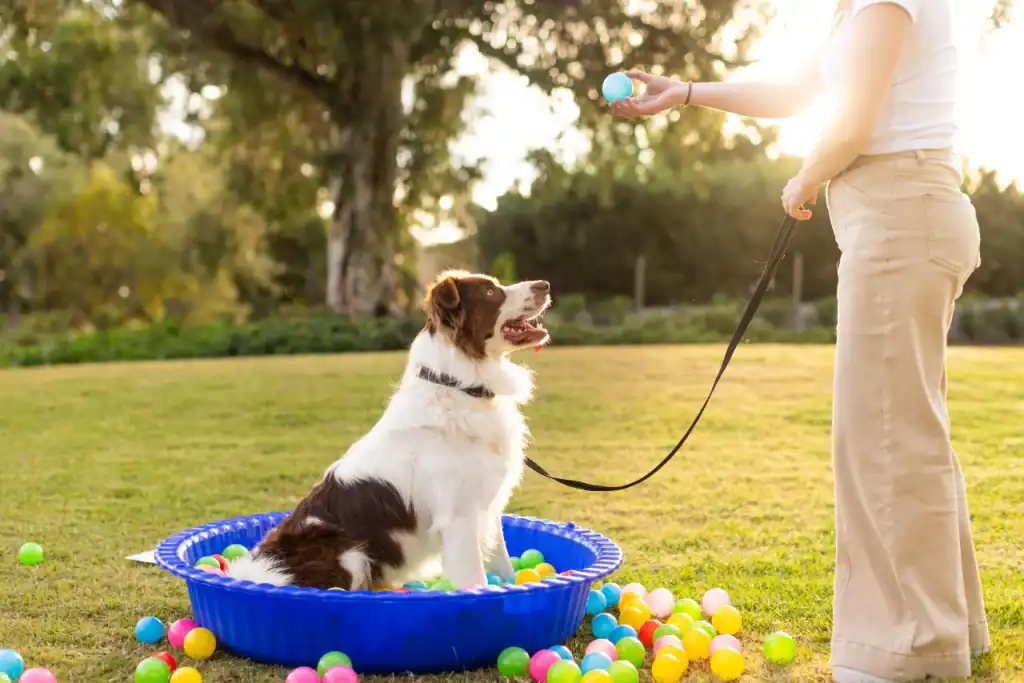
If you’ve ever struggled with an overexcited dog, a chewed-up shoe, or training sessions that seem to go nowhere, there’s a powerful (and often overlooked) solution: enrichment. While training typically focuses on commands and obedience, enrichment focuses on your dog’s overall well-being—and the two go hand-in-hand more than you might think.
In this blog post, we’ll explore what enrichment is, why it’s critical to successful dog training, and how to incorporate it into your daily routine.
What is Enrichment?
Enrichment involves providing experiences that stimulate your dog mentally, physically, and emotionally. This can include activities like:
- Puzzle toys and treat-dispensing games
- Nose work and scent-based games
- Walks in new environments
- Playtime with other dogs
- Interactive training sessions
- Chewing appropriate toys
- Problem-solving activities
These activities mimic the challenges dogs would naturally encounter in the wild—like searching for food, navigating environments, and interacting socially.
Why Enrichment Matters in Training
Burns Excess Energy—But in the Right Way
A common approach to managing a high-energy dog is to simply increase physical exercise. While walks, runs, and play are important, relying solely on physical exercise can backfire.
Think of it this way: if the only way you’re wearing your dog out is by running them, all you’re doing is building an endurance athlete. And let’s be honest—nobody wants to live with an endurance athlete.
The more you condition your dog to need intense exercise to feel “tired,” the more stamina they build. Instead of calming down, they become fitter, faster, and harder to exhaust. Enrichment offers a balanced alternative by mentally tiring your dog out, which leads to a calmer, more satisfied companion.
Reduces Problem Behaviours
Boredom and frustration are root causes of common behavioural issues like chewing, digging, barking, and jumping. Enrichment satisfies your dog’s need for stimulation, making unwanted behaviours less likely to develop or persist.
Builds Confidence
Dogs that engage in problem-solving tasks or explore new environments gain confidence. This is especially helpful for shy, anxious, or reactive dogs, as enrichment can help them feel more secure and adaptable.
Strengthens the Human-Dog Bond
Interactive enrichment activities—like puzzle feeders, training games, or shared exploration— create meaningful engagement between you and your dog. This bond fosters trust, which is the foundation of all good training.
Improves Learning Capacity
Mental stimulation sharpens your dog’s cognitive skills, improving memory, focus, and the ability to learn new behaviours. Think of it like exercise for your dog’s brain: the more they use it, the better it works.
Simple Ways to Add Enrichment to Your Dog’s Life
You don’t need fancy equipment to get started. Here are a few easy ideas:
- Scatter feeding: Toss kibble in the grass or around the yard for your dog to sniff out.
- DIY puzzles: Hide treats in a muffin tin covered with tennis balls or hiding snacks in leftover cardboard boxes or toilet rolls
- Rotate toys: Keep things fresh by rotating your dog’s toys weekly.
- Training as enrichment: Short, fun training sessions can be mentally tiring and rewarding.
- Sniff walks: Let your dog lead the way on walks and stop to sniff—it’s their version of reading the news.
Enrichment isn’t just a luxury—it’s a necessity. Dogs are intelligent, curious creatures who thrive when their needs are met. When you provide enrichment, you’re not just preventing boredom— you’re setting the stage for faster learning, better behaviour, and a stronger connection with your dog.
So the next time you’re planning your training session, think beyond commands. Ask yourself: Is my dog’s world interesting enough?